

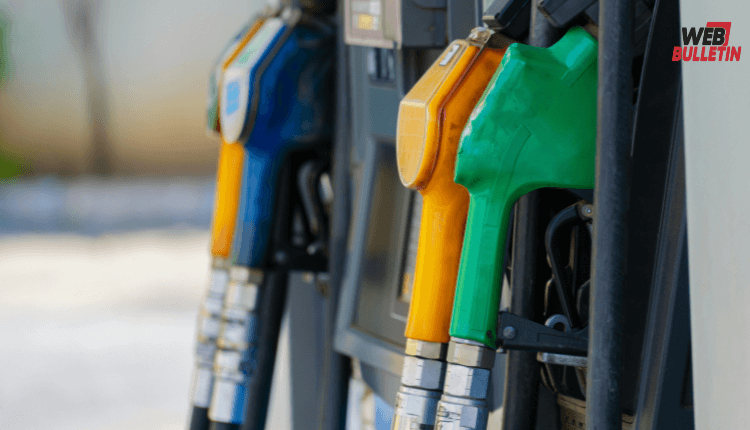
Despite a significant reduction in excise duty on petrol and diesel by the central government, consumers are unlikely to see an immediate drop in fuel prices. The government has clarified that the move is aimed at shielding the domestic market from rising global crude oil prices rather than making fuel cheaper right away.
The government recently reduced excise duty on petrol from ₹13 per litre to ₹3 per litre, while diesel has been completely exempted from excise duty. However, fuel prices across the country will remain at their current levels for now.
Why fuel prices will remain unchanged
According to officials, tensions in West Asia and concerns over oil supply through the Strait of Hormuz have pushed global crude oil prices sharply higher. Brent crude has crossed the $100 per barrel mark, significantly increasing the cost burden on oil marketing companies.
To prevent these companies from passing the rising costs on to consumers, the government decided to cut excise duty. The move is intended to stabilize prices and avoid any further increase in petrol and diesel rates.
Government’s stance
Finance Minister Nirmala Sitharaman stated that the primary objective of the decision is to ensure fuel availability in the country and protect consumers from a potential price surge.
Petroleum Minister Hardeep Singh Puri also noted that crude oil prices have seen a sharp rise in recent weeks, reflecting instability in the global energy market.
Higher export duty to protect domestic supply
To ensure adequate fuel availability within the country, the government has imposed additional export duties on diesel and aviation turbine fuel (ATF). Diesel exports will attract an extra duty of ₹21.5 per litre, while ATF exports will face an additional ₹29.5 per litre charge.
Fuel prices in major cities
At present, petrol and diesel prices in key cities remain as follows:
- Delhi: Petrol ₹94.77, Diesel ₹87.67
- Noida: Petrol ₹94.85, Diesel ₹87.98
- Mumbai: Petrol ₹103.54, Diesel ₹90.03
- Chennai: Petrol ₹100.80, Diesel ₹92.38
Government absorbs the burden
Experts say the government had two choices — either allow fuel prices to rise in line with global crude rates or reduce revenue and keep domestic prices stable. The government has opted for the second approach to prevent inflationary pressure.
In simple terms, petrol and diesel are not getting cheaper for now, but prices are also unlikely to rise further in the immediate future. The decision is being viewed as a protective measure against inflation rather than direct consumer relief.