

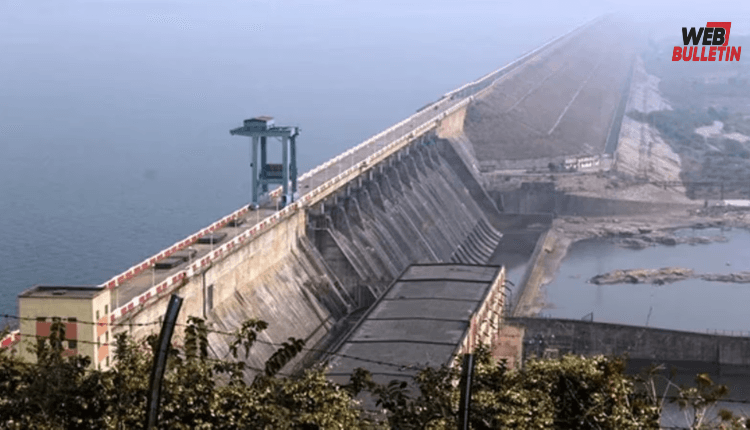
The Centre has once again extended the tenure of the Mahanadi Water Dispute Tribunal, which was set up to resolve the long-standing river water sharing dispute between Odisha and Chhattisgarh. The tribunal will now submit its final report and verdict by January 13, 2027.
According to a notification issued by the Ministry of Jal Shakti, the tribunal’s earlier term was scheduled to end on April 13, 2026. It has now been extended by an additional nine months to allow completion of proceedings.
Decision Based on Joint Request
Sources indicate that the extension was granted following a joint recommendation from both Odisha and Chhattisgarh. The states cited disruptions caused by the COVID-19 pandemic, which affected hearings and slowed down the process. Additionally, the post of the tribunal’s chairperson reportedly remained vacant for nearly nine months, contributing to delays.
Officials from both states emphasized the need for more time to ensure that all arguments are thoroughly examined and a fair conclusion is reached.
Tribunal Formed in 2018
The tribunal was constituted in 2018 to address disagreements over the sharing of water from the Mahanadi River. The dispute has been a point of contention between the two states for several years.
Odisha has alleged that construction of multiple barrages by Chhattisgarh in the upper reaches of the river has reduced water flow downstream. On the other hand, Chhattisgarh maintains that it is utilizing water resources within its legal rights.
Proceedings Still Underway
Members of the tribunal have already conducted site visits and inspections in areas linked to the Mahanadi basin in both states. While formal hearings continue, parallel efforts are also being made through dialogue between the two governments to find a mutually acceptable solution.
Government officials believe that the extension will provide the tribunal sufficient time to conclude hearings without interruptions and move closer to a lasting resolution of the dispute.