

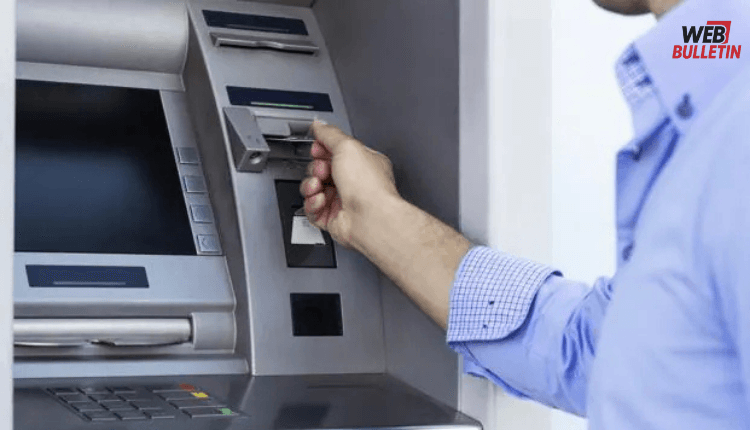
Despite the rapid growth of digital payments across India, the government is now considering steps to rebalance the country’s cash ecosystem, particularly to address the growing shortage of small-denomination currency notes. Officials and banking authorities are discussing several measures, including the introduction of ATMs capable of dispensing ₹10, ₹20 and ₹50 notes.
According to sources familiar with the matter, the proposal goes beyond conventional ATMs. A new concept of “hybrid ATMs” is also under evaluation. These machines would allow users to exchange high-value notes for smaller denominations, helping ease everyday cash transactions.
Pilot Project Underway in Mumbai
As part of this initiative, a pilot project involving low-denomination currency dispensing machines is currently being tested in Mumbai. Officials said the performance of these machines is being closely monitored. If the trial proves successful, the model could be rolled out nationwide.
Under the proposed plan, hybrid ATMs may be installed at high-traffic public locations such as railway stations, bus terminals, markets, hospitals and government offices, where the demand for small cash transactions is highest. Authorities are also considering requesting the Reserve Bank of India (RBI) to increase the printing of lower-denomination notes.
Small Change Shortage Hits Daily Transactions
The lack of smaller currency notes has become a frequent concern for both consumers and shopkeepers. Everyday transactions often become difficult when ₹500 notes cannot be broken due to the absence of change. Experts believe the initiative could particularly benefit the unorganised sector, small traders and semi-urban and rural areas, where digital payment systems are still developing.
India Ratings and Research Chief Economist Devendra Pant noted that transaction sizes in rural and remote regions are generally small, making cash—especially low-denomination notes—an essential requirement for daily commerce.
Cash Challenges in a Digital Economy
However, experts caution that installing machines alone may not fully resolve the issue. A senior banking official said that unless the printing, distribution and circulation of small-denomination notes are strengthened simultaneously, hybrid ATMs may not deliver the desired results.
Some analysts also warn that large-scale implementation could be expensive for banks and may appear to conflict with the government’s broader Digital India push. Grant Thornton’s Financial Services Risk Leader Vivek Iyer suggested that such machines should be deployed selectively, focusing on regions where digital infrastructure remains limited.
Overall, the government’s move is being seen as an effort to strike a balance between digital payments and cash usage, ensuring that the everyday financial needs of citizens are met without disruption.