
The redevelopment model used in Mumbai’s Dharavi slum is set to be replicated in the state capital as part of a major urban housing initiative. Under the Pradhan Mantri Awas Yojana–Urban (PMAY-Urban), the city plans to redevelop several large slum clusters through the Affordable Housing in Partnership (AHP) framework.
The proposal focuses on in-situ redevelopment, meaning residents will be rehabilitated at the same location rather than being relocated elsewhere.
Multi-Storey EWS Housing Planned on Prime Urban Land
According to the plan, multi-storey G+6 and G+8 buildings will be constructed on nearly 19.19 hectares of high-value urban land. The redevelopment will cover major slum areas including Dagnia, Amapara, Amarpuri, Bhim Nagar, and Utkal Nagar, among others.
A portion of the land will be used for constructing permanent homes for eligible slum dwellers, while the remaining land will be allocated to private developers for commercial use.
The project aims to build 4,044 Economically Weaker Section (EWS) housing units, with an estimated cost of ₹232 crore. A Detailed Project Report (DPR) has already been submitted to the state government for approval.
Understanding the Dharavi Model
In Mumbai, the Dharavi redevelopment project involves replacing slum settlements with high-rise residential complexes at the same site. Residents are provided free permanent housing along with basic civic amenities, while developers receive rights for commercial development as part of the project’s financial model.
This public-private approach is now being adopted for the capital’s slum redevelopment plan.
How the Model Will Work in the Capital
Under the proposed framework, slum land in the capital will be reorganised to accommodate residential towers for eligible families. Residents will receive EWS flats along with roads, sewerage, water supply, electricity, and community facilities.
The additional land generated through vertical construction will be handed over for commercial development to fund the project.
Slum Areas Identified for Redevelopment
Dagnia Slum
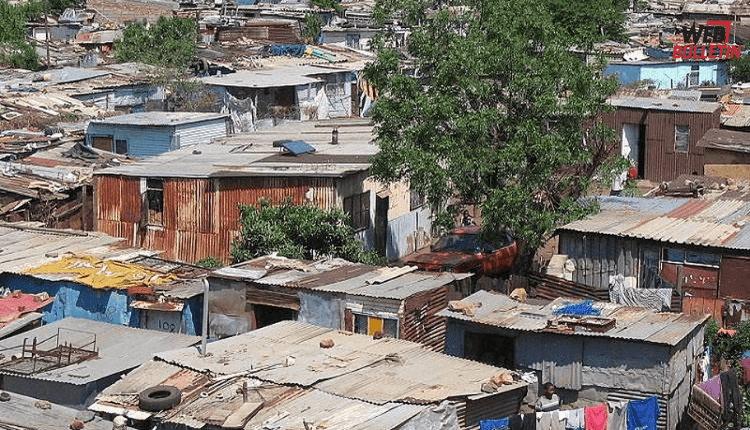
Located between drainage channels, this densely populated settlement faces narrow lanes, waterlogging, poor sanitation, and high fire and health risks, especially during monsoon season.
Amapara
An old residential area with deteriorating kutcha houses, Amapara struggles with drinking water and drainage issues. Despite being close to the main market, living conditions remain poor.
Amarpuri
Situated along open drains, residents face constant health hazards due to polluted water, irregular waste collection, and lack of a safe environment for women and children.
Bhim Nagar
Known for temporary structures, illegal electricity connections, and congested access roads, Bhim Nagar experiences severe waterlogging and mud during the rainy season.
Utkal Nagar (Akashvani Area)
Located in the heart of the city and surrounded by government and commercial establishments, this slum sits on expensive land but lacks essential civic facilities.
the Redevelopment Plan
Under the AHP model of PMAY-Urban, slum redevelopment will be carried out through In-Situ Slum Redevelopment (ISSR). Eligible beneficiaries will receive permanent EWS flats in multi-storey buildings. The project includes:
G+6 / G+8 residential towers
Roads and internal connectivity
Sewerage, water supply, and electricity
Community infrastructure and basic amenities
Partial commercial use of land by private developers to ensure financial viability
Project Snapshot
Total land area: 19.19 hectares
Proposed EWS units: 4,044
Estimated cost: ₹232 crore
Current status: DPR submitted, awaiting government approval
Construction work will begin in phases once approvals are granted.
Raipur Mayor Meenal Choubey said the project would significantly improve living conditions for slum residents. “In-situ redevelopment will ensure that poor families receive safe, permanent housing with proper facilities at the same location. Our focus is on dignified living for all,” she said.
However, Akash Tiwari, Leader of Opposition in the Municipal Corporation, expressed concern over the model. He said the plan may look promising on paper, but warned that if the project prioritises private profit over the rights of the urban poor, it will face strong opposition. He also pointed to the Dharavi project in Mumbai, stating that large developers had benefited significantly from that redevelopment.